
What Degree Do You Need to Give Botox Injections?
In the last 10 years, beauty cosmetic & personal care arenas have dramatically evolved. Administering Botox injections stands as one of the most favored cosmetic treatments today. But there is a common question many want to know: What degree do you need to give Botox injections?
This guide will outline educational and licensing requirements, brief on career opportunities related to Botox administration, and answer questions such as: Can nurses do Botox independently? If you are a registered nurse, nurse practitioner, or physician assistant, there is an opportunity for you in this growing field, provided you fulfill the state required standards and complete proper training.
Understanding Botox and Its Growing Demand

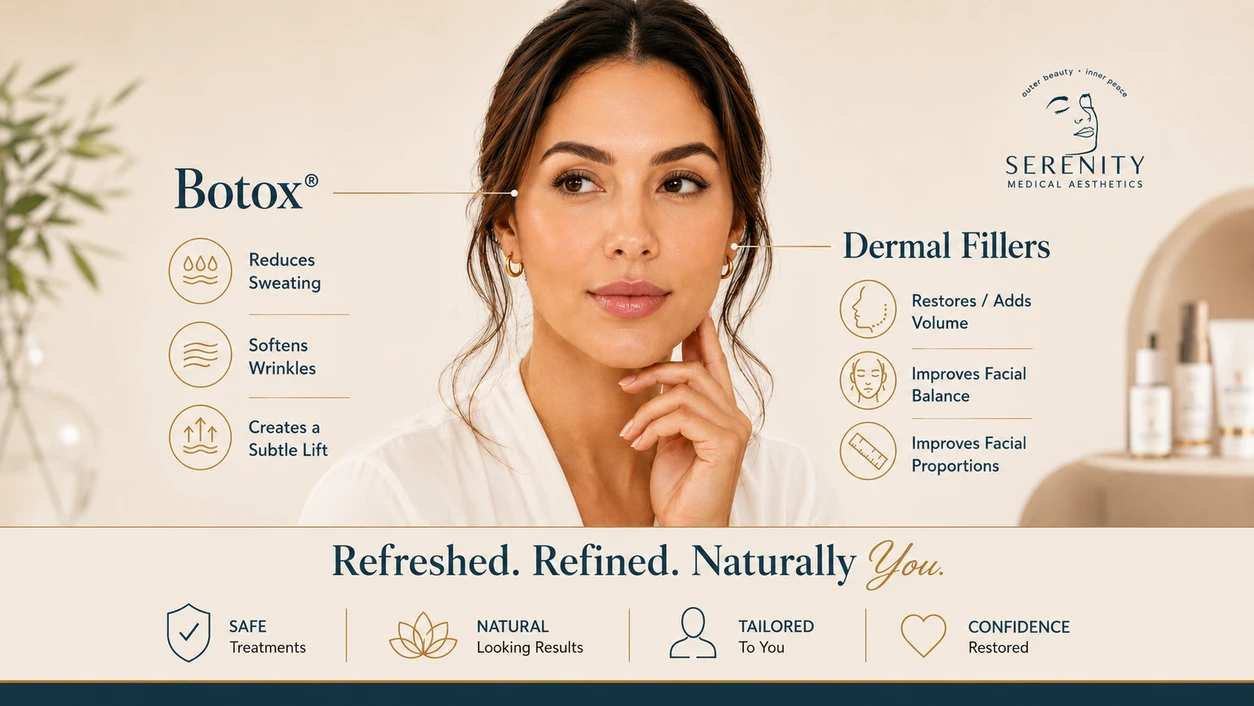
A purified substance that is manufactured and used for temporarily paralyzing muscles and reducing wrinkles is called Botox or botulinum toxin. It is a staple in beauty, cosmetic, and personal care clinics. The demand for Botox, as well as other forms of botulinum toxin, like Xeomin, is rising because of its non-invasive nature and very few side effects.
As interest in personal skincare and anti-aging solutions grows, the demand for skilled professionals trained in Botox and dermal fillers is also on an all-time high. But handling this neurotoxin requires proper education, a medical license, and rigorous hands-on training.
So, What Degree Do You Need to Give Botox Injections?

People who administer Botox injections legally and safely must be licensed medical professionals. Those with the following degrees can carry out Botox treatments:
• Doctor of Medicine (MD) or Doctor of Osteopathic Medicine (DO)
• Nurse Practitioner (NP)
• Physician Assistant (PA)
• Registered Nurse (RN)
• Dentist (DDS or DMD) – in some states
It means people who dream of a career in cosmetic treatments must first pursue a degree that leads to a medical license.
Educational Paths Based on Medical Roles
Let’s see what each path entails and their eligibility to perform Botox:
1. Physicians (MD/DO)
If you are a medical doctor licensed by any state, you can treat patients using Botox. However, it is highly advisable to take Botox certification courses that include training in injection techniques, particularly for botulinum toxin and dermal filler procedures.
2. Physician Assistants and Registered Nurses
Physician assistants and registered nurses can also administer Botox. However, the Botox administration should be performed under the proper supervision of a physician3. .
3. Nurse Practitioners
Nurse practitioners usually enjoy more autonomy. In many states, they would be able to independently administer Botox injections without the supervision of a physician, especially if they have completed one of the numerous Botox training courses that include hands-on training and facial anatomy.
Can Nurses Do Botox Independently?
It depends on whether the nurse is a registered nurse or a nurse practitioner as well as the state in which he or she is practicing.
- Registered nurses are always required to be under a physician’s supervision.
- In some states, nurse practitioners may independently assess, consult, and inject Botox. In other states, they must also be under a physician’s supervision.
Whatever the case, completing Botox certification courses cannot be neglected. These certification programs make sure that procedures are safe and help build trust and respect in the field.
Steps to Become Qualified to Give Botox Injections
If beauty cosmetics & personal care win your passion, follow these steps to enter this industry:
1. Obtain a Medical Degree or License
First, become a licensed medical professional – MD, NP, PA, or RN. Such a degree will give your Botox career a strong base.
2. Enroll in Botox Training Courses
After getting a license, go for one of the many Botox training courses. You would be on the right path if you consider ones that are:
- Accredited
- Provide hands-on training
- Taught by professionals and focused on facial anatomy, injection techniques, and management of any side effects.
3. Complete Certification Programs
Do not even think of skipping a formal Botox certification course if you want to prove that you have skills in this field. It further allows you to use your skills legally. For example, in clinics or med spas where strict compliance is implemented.
4. Understand State Requirements
Each U.S. state has its specific laws concerning who can inject Botox. Ensure you check what your state requires before practicing on your own.
5. Work in a Clinical or Aesthetic Setting
Start to practice, get some experience, build your client base, and, eventually (if law permits), open your own beauty cosmetics and personal care business.
Essential Training Topics to Cover
To maintain high standards, your Botox training courses should include:
- Facial Anatomy: Making you familiar with muscles, nerves, and injection sites
- Injection Techniques: Proper amount, angle, and depth
- Patient Assessment: Determining candidacy and expectations
- Complications and Side Effects: Prevention and Management
- Legal & Ethical Practices: Informed consent, documentation, etc.
Popular Settings for Botox Administration

Professionals who have achieved qualifications may enter the field of work that comprises a variety of environments, such as:
- Medical Spas
- Skin Clinics
- Plastic Surgery Centers
- General Medical Clinics
- Beauty cosmetic & personal care studios
In all situations, whether working independently or under supervision, practicing according to safety and state rules is highly crucial.
Career Benefits of Becoming a Botox Provider
The Botox field offers several advantages:
- High Earning Potential: With demand and prices set for treatments by qualified injectors, they earn good returns.
- Flexible Working Hours: A lot of Botox providers enjoy part-time, freelance, or per diem med spa positions.
- Career in a Growing Field: The field of beauty cosmetics and personal care constitutes a multibillion-dollar industry undergoing expansion.
- Patient Satisfaction: It’s very satisfying to see a client become more confident.
Safety & Legal Considerations
Even with some training, safety measures take precedence. Some botulinum toxin may be misused, leading to serious side effects. Always:
- Gain proper consent
- Use sterile equipment and a clean environment
- Keep accurate records of the treatment
- Stay up to date with certification programs
Any failure to follow proper procedures can open the door to lawsuits, suspension of license, or worse.
How to Choose the Right Training Program
When selecting your Botox certification course, make sure it offers:
- Hands-on training with real patients
- Instruction from experienced medical professionals
- Content covering facial anatomy and injection techniques
- A certificate is given to demonstrate completion
Avoid programs that are entirely online or do not include live practical sessions.
Frequently Asked Questions About A Career In Botox
Q1. Can I give Botox injections with just a cosmetology license?
No. A cosmetology license is not a medical license. Only licensed nursing professionals (RN or higher) or medical professionals can legally administer Botox.
Q2. How long does it take to become certified?
Most Botox training courses can be completed in 1 to 2 days. However, prior medical licensure or nursing licensure is required to qualify for such courses.
Q3. Do I need malpractice insurance?
Yes. Anyone providing cosmetic treatments like botulinum toxin injections should have malpractice insurance for protection.
Future Trends in Botox and Aesthetics

The future of beauty cosmetic & personal care holds promising prospects for demand. Increasing demand for non-surgical treatments makes Botox and dermal fillers practitioners highly sought after. Improvements in injection techniques and personal skincare lines will greatly enhance the customer experience.
Ready to Start Your Botox Career the Right Way?
It’s time to move beyond what degree do you need to give Botox injections? Turn your passion into a profession with expert hands-on training at Serenity Medical Aesthetics. Whether you are a nurse, PA, or medical professional, you will gain real skills, real confidence, and real results.
Train with me and take the first step toward a successful aesthetics career!
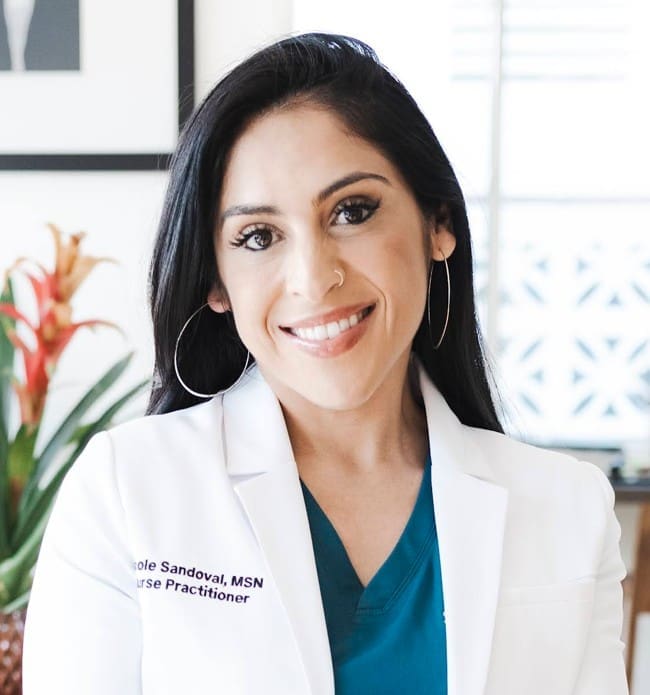
I am a dual board-certified Nurse Practitioner and the founder of Serenity Medical Aesthetics. With degrees from Stanford, Emory, and UCLA, and nearly a decade of clinical experience, I specialize in family medicine and aesthetic procedures. I also serve as a volunteer Assistant Clinical Professor at the UCLA School of Nursing. I write content on this website to ensure absolute clinical accuracy, safety, and alignment with the latest medical research.
You might also like to read

connect with us on instagram

Back to Top
Address
Phone
301 N Lake Avenue Suite 600 Pasadena CA 91101
hello@serenitymed.co
+1 818-971-9106
✨ Unlock $25 Off Your First Visit! ✨
Sign up to enjoy $25 off your first purchase of $250 or more and get access to exclusive promotions, wellness tips, and booking updates!
Share This Post